Fabrics are the canvas of a designer as they either make or break an outfit. A different fabric might do a design a lot more good, more fabrics at a drape would have elevated a dress and a sheer fabric might have tied in the overall concept of a blouse better than a thick fabric. It is essential to give ample thought to your design and to source the best fabrics for your project as this can make or mar your design.
Fabrics are plentiful and ever-evolving as the decades go by. Some fabrics like Linen are as old as 5,000 years from Egypt’s first dynasty while others have occured with the recent times, more modern fabrics like Rayon and Acetate. Keeping up to date with all the trends in the fashion industry can be a juggle at times. Nevertheless, older fabrics comprised of more natural derivatives than modern fabrics which are synthetic, since they are man made.
That being said, some fabrics should not elude you as they are quite popular and top hitters in the industry. I have written deep dives articles on three of such fabrics; Ankara, Chantilly and Crepe. You can click the hyperlink for quick information on them. Adding to your arsenal of fabrics in the know, here are 10 more to buttress up your knowledge.
Velvet
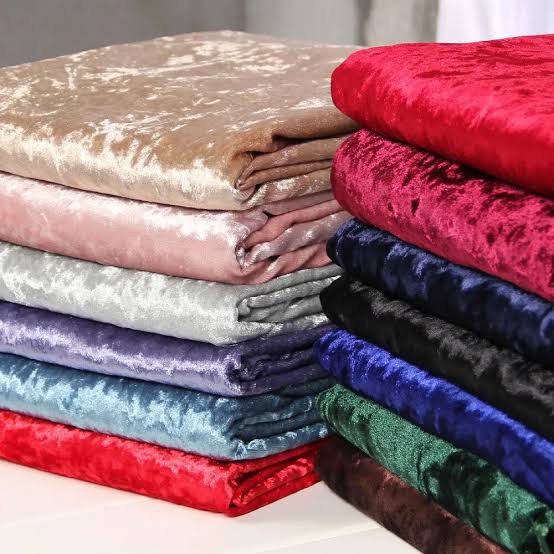
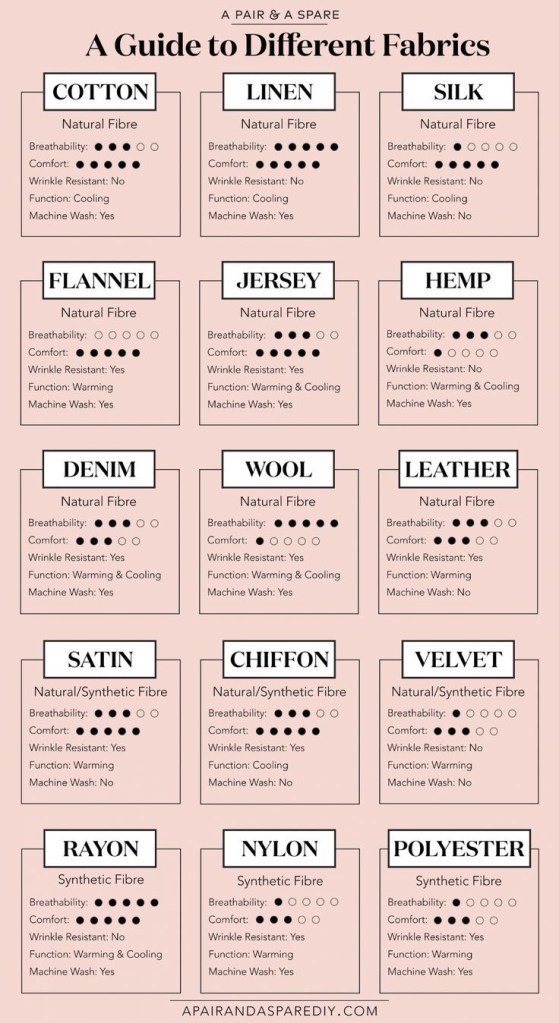
Velvet is a sleek, soft fabric that is commonly used in intimate garments, upholstery and other textile applications. Due to how expensive it was to produce velvet textiles in the past, this fabric is often associated with the aristocracy. Even though most types of modern velvet are adulterated with cheap synthetic materials, this unique fabric remains one of the sleekest, softest man-made materials ever engineered.
Chiffon
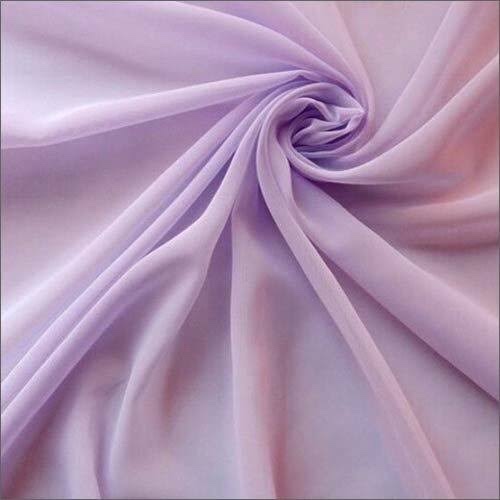
Chiffon is a term that is used to refer to a wide variety of different types of fabrics that all share similar qualities. This type of fabric is sheer. which means that it is light and semi-transparent with a simple weave.
This type of fabric was originally made from silk, and it was both expensive and in high demand among upper-class women in Europe and the United States when it was originally marked in the mid-19th century. The term “chiffon” is French, and it literally translates as “cloth” or “rag,” but this word has come to be synonymous with any type of lustrous, sheer fabric that is woven in a particular style.
Satin
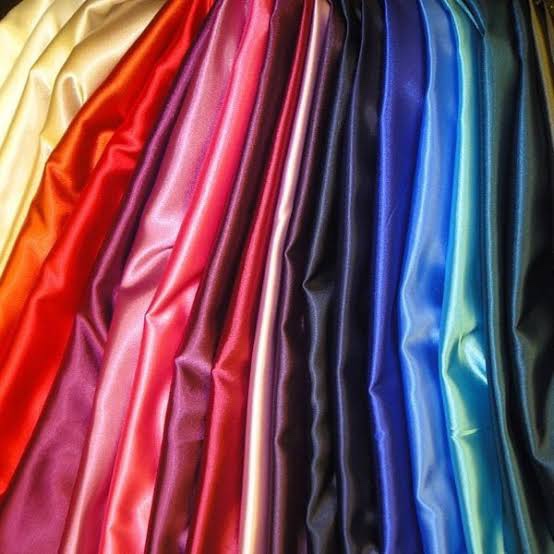
Satin is one of the three major textile weaves, along plain weave and twill. The satin weave creates a fabric that is shiny, soft, and elastic with a beautiful drape. Satin fabric is characterized by a soft, lustrous surface on one side, with a duller surface on the other side. This is a result of the satin weaving technique, and there are many variations on what defines a satin weave.
Organza
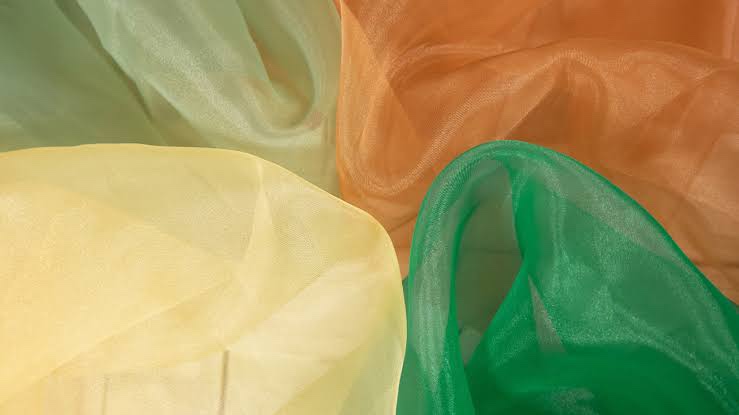
Organza is a type of lightweight plain weave fabric. This type of fabric is sheer, which means that it is woven in an extremely low density that results in a transparent and relatively flimsy textile. Due to its transparency and high breathability, organza fabric is commonly used to make garments that overlay thicker types of apparel, and it is also occasionally used to make a variety of different types of household textiles.
In the past, organza was exclusively made from silk. However, the advent of fully synthetic fabrics, such as polyester and nylon, has made it possible to craft this textile from other base materials.
Spandex
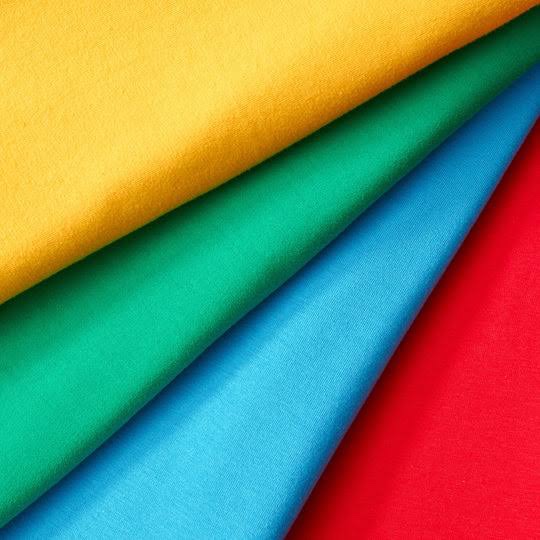
Spandex is a synthetic fabric that is prized for its elasticity. Contrary to popular belief, the term “spandex” is not a brand name, and this term is used to generally refer to polyether-polyurea copolymer fabrics that have been made with a variety of production processes. The terms spandex, Lycra, and elastane are synonymous.
This fabric can stretch to 5-8 times its normal size, and it is commonly used in form-fitting consumer apparel. In most cases, pure spandex isn’t used in garments, and instead, small quantities of this fabric are woven into other synthetic, semi-synthetic, or organic fibers.
Linen
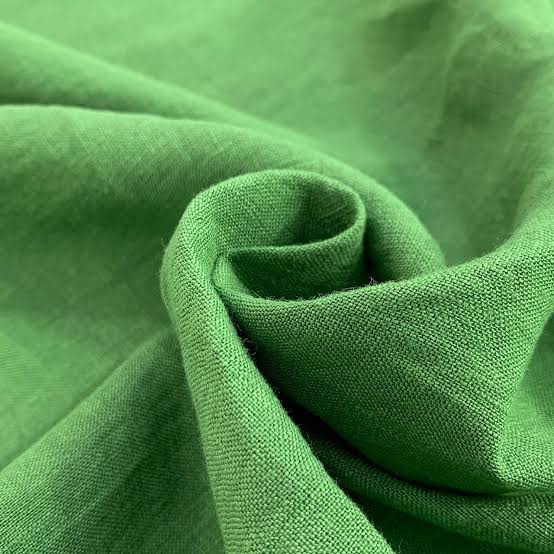
Linen is a flax-based textile that is predominantly used for homeware applications. While linen is similar to cotton, it is made from fibers derived from the stems of the flax plant instead of the bolls that grow around cotton seeds.
Garments made of linen are desirable in hot and humid climates. Unlike cotton, which tends to retain moisture for a significant period of time, linen dries quickly, which helps reduce heat retention in overly warm conditions.
Damask
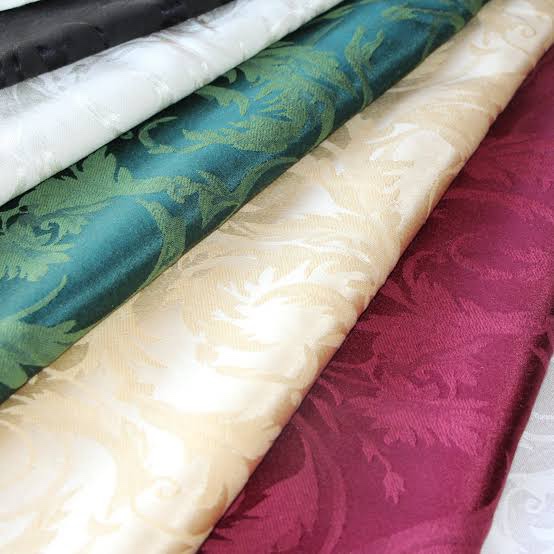
Damask fabric is named for Damascus, which is where this textile product originated. Known for its intricate and reversible patterns, damask fabric is prized for its ornateness. These days, however, it’s easy to make incredibly complex damask patterns with modern textile machines. Traditionally, damask fabric was made from silk, cotton, or wool, but synthetic damask weaves are now available also.
The first mention of “damask” in the West was in a document from 14th-century France. At the time, nations within the borders of modern France and Italy were the mercantile centers of the world, so most types of textiles were inspected and categorized by French merchants at one point or another.
Corduroy
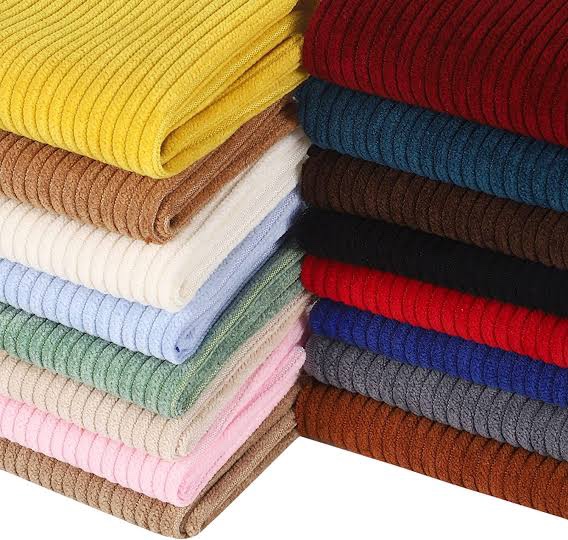
Corduroy is a durable, ridged fabric that textile producers can make with a variety of different materials. This fabric is most notable for its unique ridged pattern, which corduroy producers can weave in a variety of widths.
While it is usually made with cotton, corduroy can also be woven with blends of polyester and cotton or even full polyester. Textile producers also sometimes make corduroy with wool, but the ridges present on wool corduroy are not as visible as the ridges on corduroy made with other materials. Fabric manufacturers dye corduroy in a wide variety of different colors, and one form of corduroy dying results in an uneven fading that is highly aesthetically pleasing.
Denim
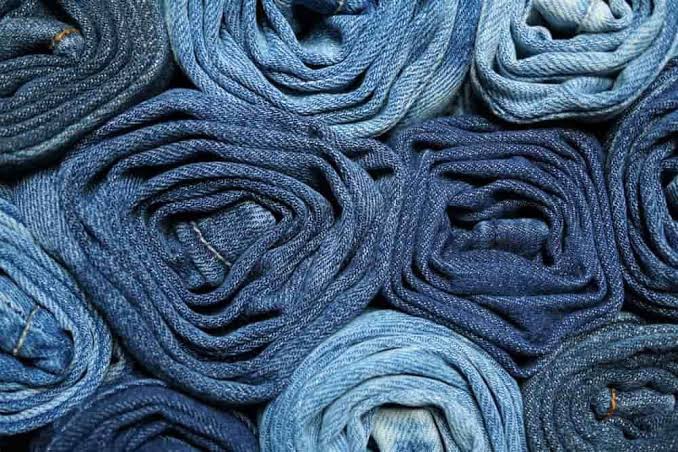
Denim is one of the world’s most iconic fabrics. The moment you say the words “denim jeans,” everyone around you knows what you’re talking about. Denim is popular across national and cultural boundaries, and the denim jean has become a symbol of American culture the world over.
The word “denim” comes from the French serge de Nimes , which refers to a particular type of fabric that was produced in Nimes, a town in France. Over time, this warp-faced cotton weave style became popular throughout the region, and this popularity spread into neighboring Italy.
Denim fabric now has too many variations to list, and it has been mixed with other fabric and weave styles ad nauseam as designers have worked feverishly to develop the latest trends in denim fashion. All the same, traditional Levi 501s remain incredibly popular around the world, and a niche industry has emerged that revolves around “raw denim,” which is part of every hipster’s lingo book. Global interest in denim remains strong, and it’s likely that this weave will still be produced as long as cotton remains a major textile product.
Sequins
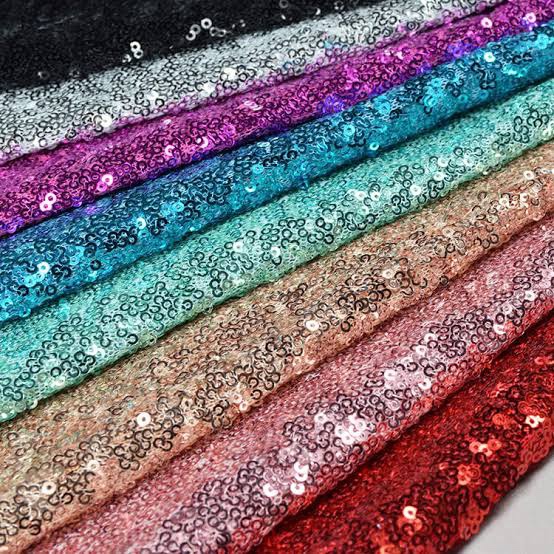
Sequin fabric is a type of fabric covered with plastic or metal shaped pieces. It is also commonly referred to as ‘sequence fabric’, though the only correct term is ‘sequin’. Sequins vary in size, shape and color. They can be glossy or matt, reversible or one-side. The most popular backing fabrics include tulle or chiffon.
They look ultramodern and stylish no matter what you sew them into: a boxy top, a pair of cigarette pants or a chic jacket. Designers use two variations: all-over sequin embroideries (which can get quite heavy!) and random sequins stitched on tulle, lace, silk and more. These shiny pieces can accentuate some areas or outline the entire pattern of the fabric.

 Planet Zaiy