To make clothes and bring your designs to life, the first thing you’d be needing is a canvas to work with and in the world of fashion designing canvas means fabrics! Whether you are making one, two or a few pieces of clothes or you are making clothes in bulk for commercial sale, you’d need fabrics. Fabrics are measured in yards, inches and centimetres, depending on your location or who you are buying them from. There are probably a thousand different types of fabrics, so when looking for a fabric for your project, you have to know for sure what you want and what fabric goes with the design you are trying to bring to life.
Fabric sourcing is when a fashion designer finds a supplier who has the fabric they need for sale. This is the major means a designer gets their fabric. They source (find or buy it) from different suppliers. Sourcing the right fabrics, embellishments or trims for your clothes is very crucial and doing this as a beginner looking to start your fashion brand, or as a freelancer can be overwhelming if you don’t know what to look out for and how to go about it.
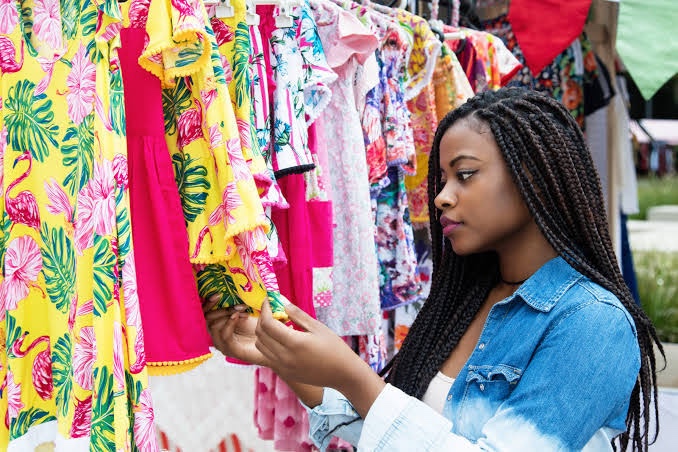
There are a few factors you should however consider to ensure you are making the right selection and don’t end up with a bunch of fabrics you hate. Consider;
- The durability of the fabric,
- The cleanability of the fabric,
- The potential of the fabric to fade and
- Consider the various fabric options available.
Having it at the back of your mind that these factors are primary standards for fabric sourcing, you can now go into sorting your fabrics properly. Follow these steps and you’d be sure to get the very best fabrics for your projects.
Research for suppliers
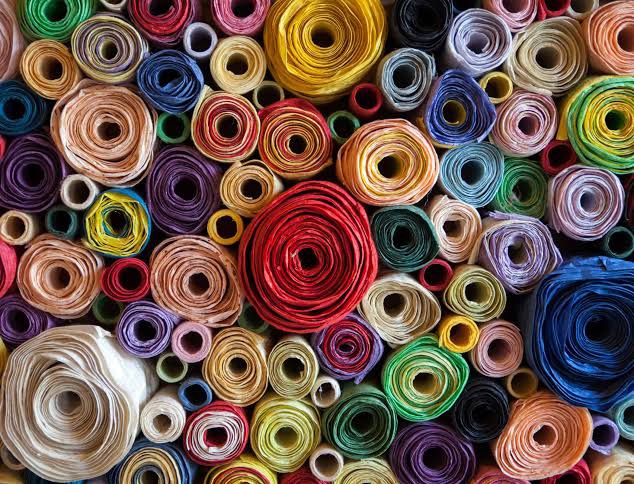
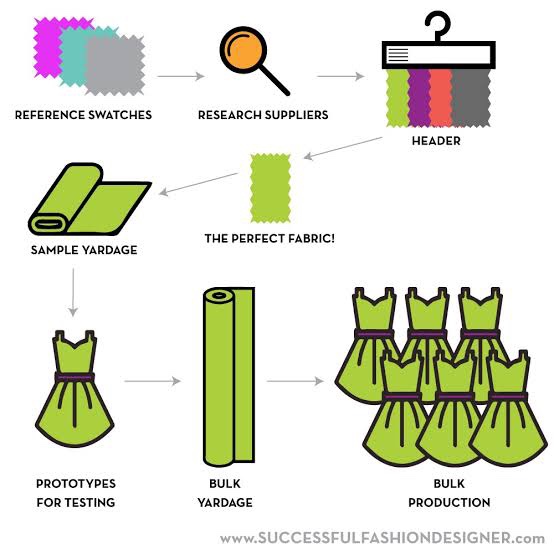
Whether you are buying in bulk or you are buying just a few yardages for a client’s cloth, the first step is for you to know what supplier you would be patronizing. They may be someone you have bought from in the past or you may have to research potential suppliers that sell what you are looking for. Make sure to consider the prices they are offering and you can compare them with other supplier’s prices, so you can get the best deal. I have also learnt that if a fabric doesn’t do it for you, don’t be coerced into buying it as most times you’d regret the outcome of the clothes. Don’t feel embarrassed to walk away and find another supplier that would have exactly what you need. There are tons of fabrics available in the market, and the fabric you envision might be in the next store you walk into.
Send or Take along cuttings of the fabric swatches
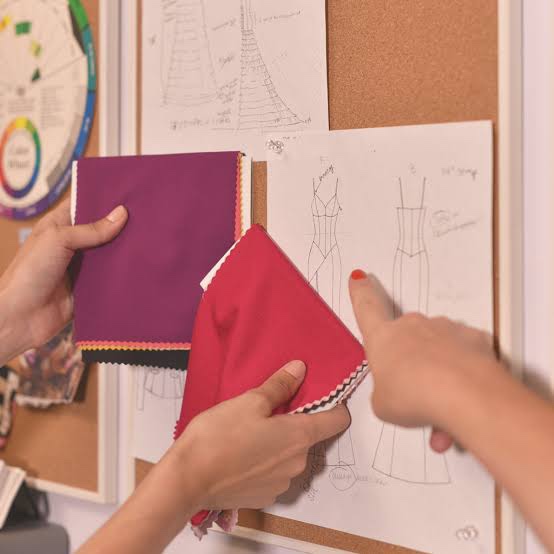
Swatches are small sample sizes of fabrics intended to demonstrate the look of a larger fabric. After you might have sketched your design, preferred fabrics that would go along with your design are what you’d be haunting for. It is always a great idea to go with a small swatch of your intended fabric to the market, so your supplier knows what you are looking for. If you are sending it to a supplier far away, they can understand the type of fabric you are looking for. Your supplier can then send or show you a header (different swatches) and you can pick from it. Swatches ensure that you have bountiful choices and the wrong fabric is not selected.
Fabric Testing
This is vital even if you are producing one cloth or you are mass producing your design. This test involves first checking how the fabric washes. You can take a swatch and wash it in water to determine if the fabric dye comes off. I have made a gypsy dress that has a layer of red, white and brown fabric before and without knowing, the red fabric wasn’t of the best quality and it stained the white part of the gown. Thankfully my client was very understanding. If I had done a water test, I would have avoided that mistake and would have saved the dress for my client.
Another test that should be done is making a prototype of the design. This is essential relevant if you are making bulk clothes. With this, you can fully visualize how the clothes would look with the fabric you have sourced.
Production!
After the water and prototype tests, you can proceed to produce your clothes. If you were sceptical about the fabric and wanted to test it first, this is the time to fully commit to it and order the yardage you’ll be needing for your production. Remember to always pick fabrics of good quality that you love. Don’t be shy to ask for other people’s opinions and most times if other people like a fabric, be sure that the consumers of your clothes will like them too.

 Planet Zaiy