source: byrdie.com
Perfumes are the love of my life, not only do they leave you scenting like a million bucks, but they also boost your confidence. If you find yourself saying ‘what in the world is oud?’, then this article will help you understand the components of perfumes better. Perfume ingredients are scents gotten from fruits, flowers, nature or even synthetic made scents. These ingredients belong to different fragrances families and hence can be classified under different notes, that is whether they are citrus, fresh or sweet and so on.
There are probably more than a thousand ingredients that can be used to curate a particular scent with new additions popping up each day. Knowing these ingredients will help you spot them out in a perfume to identify what you like and what you don’t. Okay, brace yourself for these fabulous ingredients.
Amber
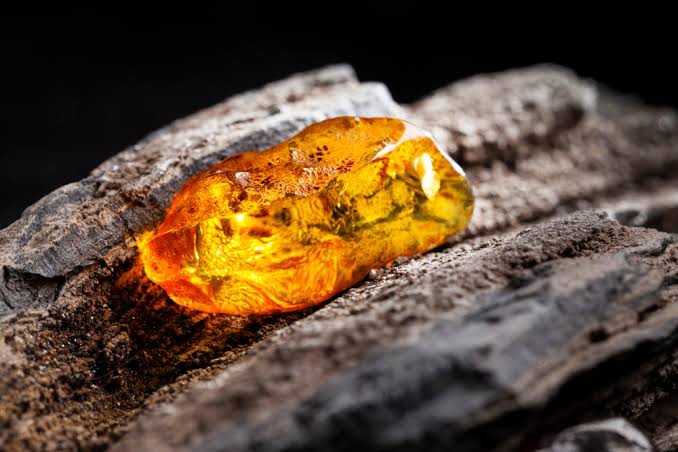
A heavy, full-bodied, powdery, warm fragrance note, amber oil comes from the Baltic amber tree. “Amber is a warm, powdery, sweet scent. It’s a combination of synthetic and natural ingredients such as vanilla, patchouli, labdanum, styrax, and benzoin,” says Medina. “Amber provides sophistication and sensuality to a fragrance.”
Bergamot
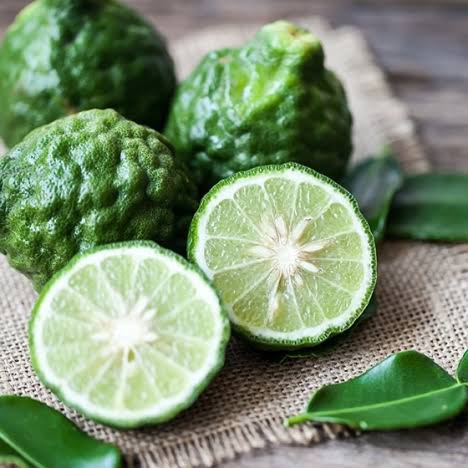
The tangy oil that expressed from the (non-edible) bergamot orange, which is grown primarily in Italy. “Bergamot is a fragrant fruit that grows on a small Italian evergreen tree called Citrus Bergamia,” says Binder. “The fragrance is an orange floral that is tart, sweet, uplifting, and aromatic. Bergamot blends well with other aromatics, which is why it is so popular in fragrance.”
Blackcurrant bud
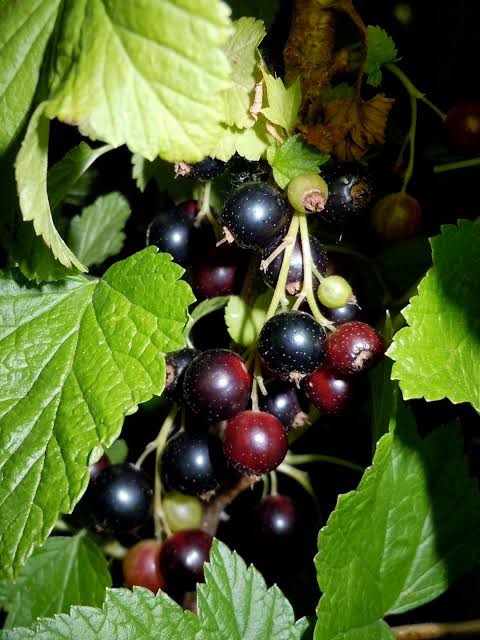
“I love the fruity effect of blackcurrant bud, which boosts juiciness in the top note of a fragrance. It reminds people who know it of the Kir Royal, a celebratory cocktail blending cassis liqueur with champagne,” says Benaim.
Citron
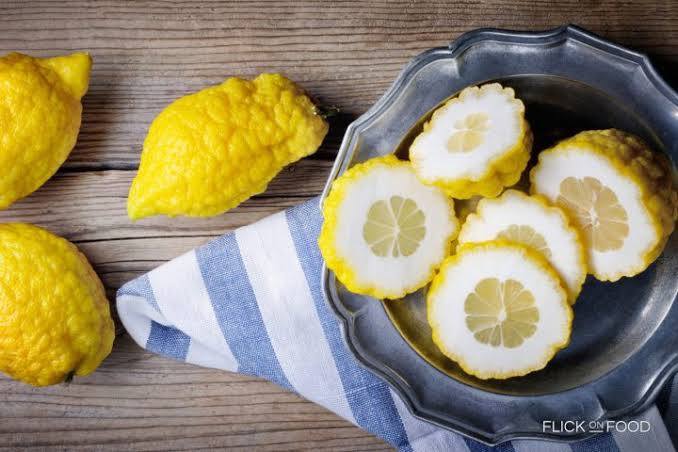
The zest of this tree’s fruit is used to create citrus fragrance notes. “In perfumery, we use the oil extracted from the lemon peel, which is zesty and juicy, and gives brightness to a fragrance,” says perfumer Dana Schmitt. “It adds a sunny sparkle to the top notes and blends harmoniously with everything from other citruses, to fruits, florals, and woods.”
Clary Sage
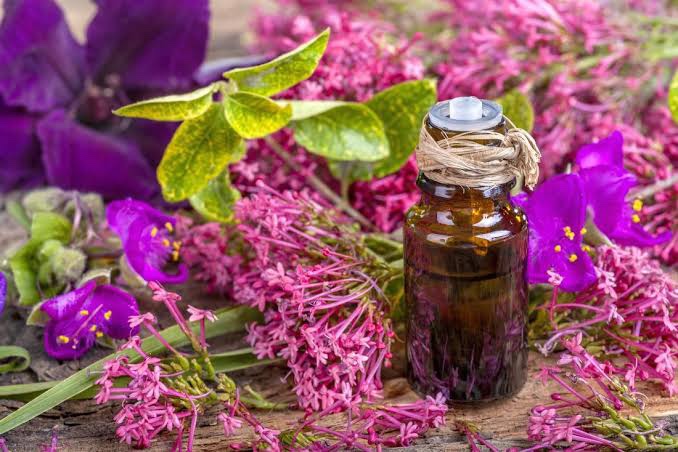
The oil of this herb smells sweet-to-bittersweet, with nuances of amber, hay, and tobacco. “I love working with clary sage for its clean, pastel, genderless versatility,” says perfumer Mackenzie Reilly. “There are two different extracts of clary sage: The oil is a bit more aromatic, while the absolute has notes of ambroxan, dried tea leaves, and gives a natural meadow effect.”
Frankincense
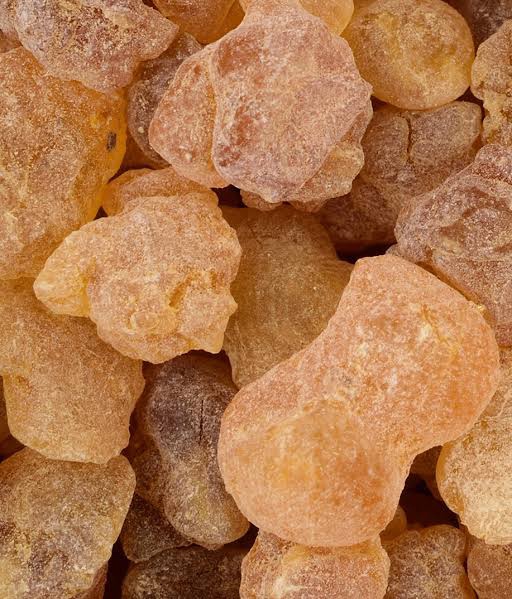
A gum resin from a tree found in Arabia and Eastern Africa and also known as olibanum, frankincense is one of the oldest materials used for fragrance in recorded history. Produced by small trees (Boswellia genus), it releases a gum-like resin that solidifies into droplets or tears. “The aroma of this material is a softly enveloping balsamic, woody sweetness with citrus, spicy fresh inflections. I love the depth, opulence, and long-lastingness it lends to amber and woody fragrances,” says Gonzalez.
Heliotrope
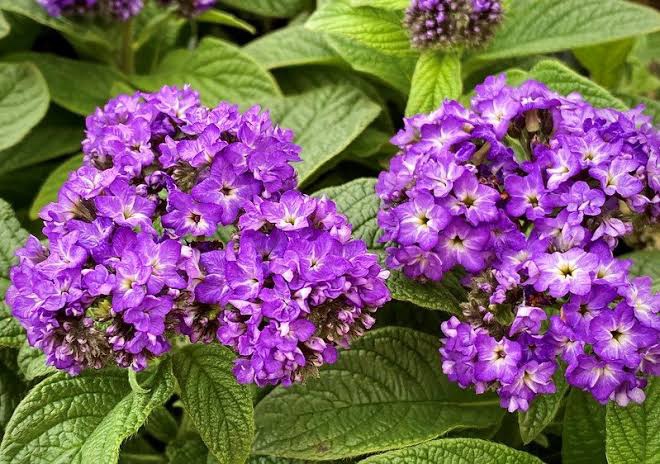
Flowers of the family heliotropium have a strong, sweet vanilla-like fragrance with undertones of almond. Heliotrope is an herbaceous plant that produces small flowers with white, purple, or blue shades. Since obtaining essential oil from the plant is not possible, perfumers have reproduced its scent with different ingredients.
Jasmine
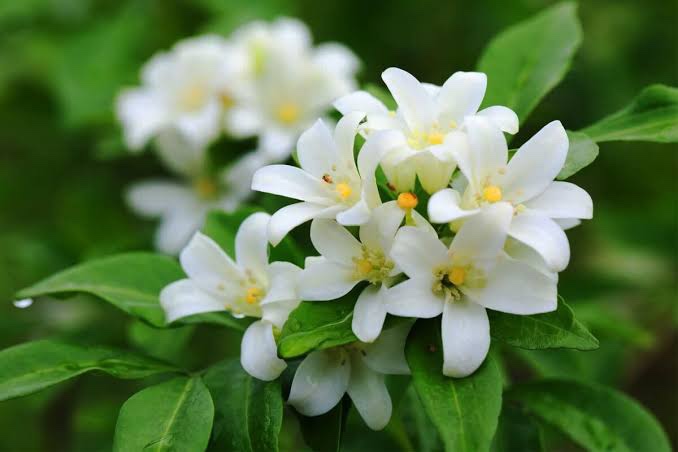
A flower employed widely in perfumery. Jasmine is one of the most expensive perfume ingredients in the world. Jasmine notes are powerful, green fruity facets reminiscent of honeysuckle. As one of the oldest ingredients found in perfumery, it has been extremely popular throughout the decades.
Mimosa
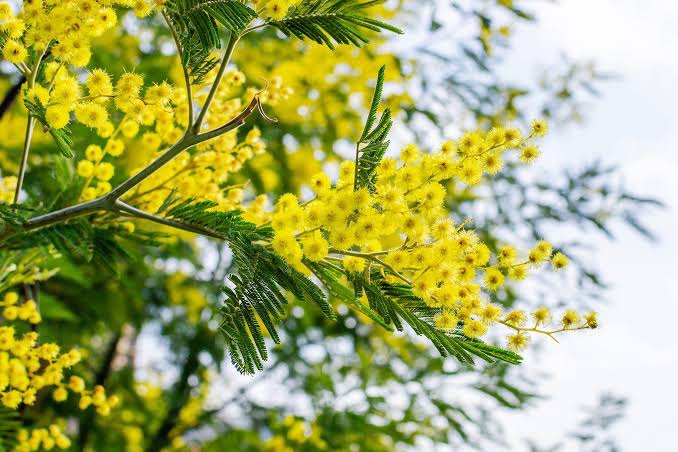
“Yellow as a sunset over the Tanneron Massif, after a long winter, mimosa is the first flower opening the doors to spring in the south of France,” says Jean-Marc Chaillan. “Green, floral, powdery, and honeyed, too, it embellishes any perfume with its beauty.”
Musk
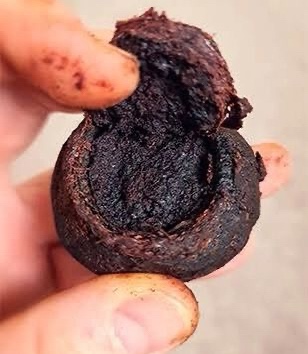
“Musk is an aromatic base note derived from a combination of natural and synthetic sources. Musk notes are alluring, smooth, powdery,” says Binder. “Musk is the fragrance that is left behind once the other aromatic notes have disappeared.”
Natural musk comes from the glands of the musk deer and is one of the most expensive perfume ingredients. But Illolahia adds that musk “is rarely used today because musk deer are endangered,” and that chemists have been refining synthetic alternatives since the late 19th century. “Typically musks add texture to fragrances and give them depth,” says Illolahia. “Because they are so long-lasting, musk is often the note that lingers on the skin after all the other notes have disappeared.”
Myrrh
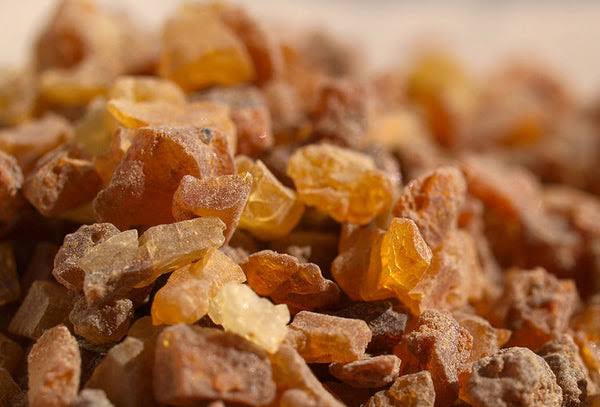
A gum resin that is produced from a bush found in Arabia and Eastern Africa. “I love every facet of myrrh, which gives long-lastingness and elegance to both women’s and men’s perfumes. I see it as an addictive woody, licorice-like, and resinous,” says perfumer Nelly Hachem-Ruiz.
Narcissus
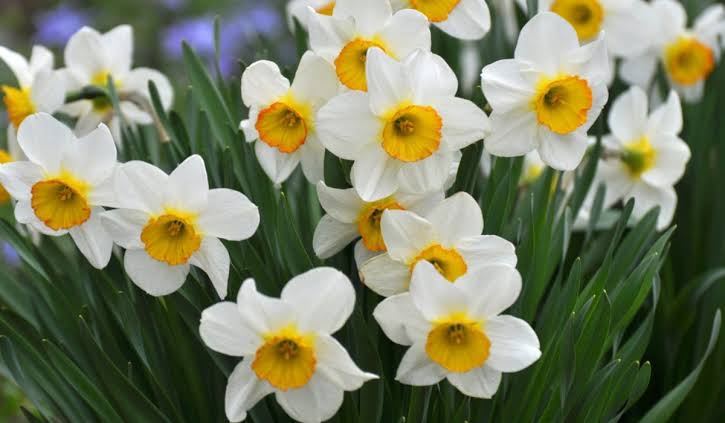
The white flowers of this tree are used extensively in French perfume production. “It’s a végétal scent, hay like, which brings a musky sensuality to perfume,” says Michalon-Bertier.
Oakmoss
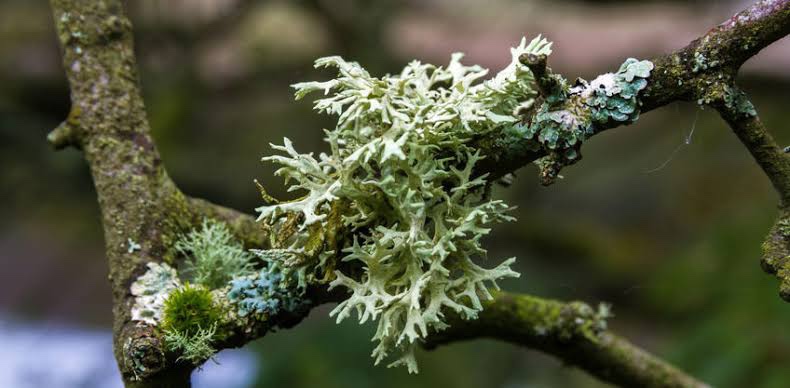
Derived from a lichen that grows on oak trees, oakmoss is prized for its aroma, which is heavy and oriental at first, and then becomes refined and earthy when dried, making it reminiscent of bark, seashore, and foliage. “Thanks to new modern chypre fragrances, oakmoss is having a renaissance moment. Oakmoss Absolute has a mossy, forest-like, and marine algae-like note,” says perfumer Nicole Mancini. “Smells like forest bathing to me.”
Oud (Oudh)
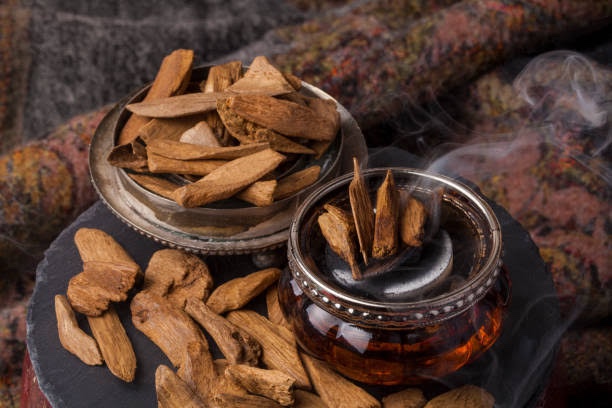
“Oud or agarwood has been revered in Asian, Arabic, and North African cultures for millennia,” says Illolahia. “Over the past twenty years, oud has become a phenomenon in Anglo perfumery. Oud essential oil is produced from Aquilaria trees which mostly grow in the rainforests of Southeast Asia. When the trees are infected with a type of fungus, a black resin is produced in the heartwood. This aromatic resin is highly prized and heartwood from infected trees can cost as much as $100,000 per kilo.”
Illolahia adds that, due to the cost and supply, “natural oud oil is used sparingly in Anglo perfumes and is generally reserved for niche or luxury fragrances. Of course, perfumers can mimic the scent using other woody and ambery ingredients more abundant in nature but nothing compares to the complexity of high- quality natural oud oil, which has olfactory references to dry woods, ambery resins, and even leather. “
Patchouli
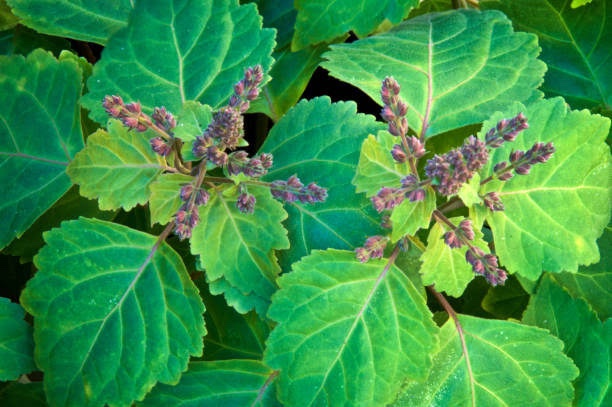
A bushy shrub originally from Malaysia and India. It has a musty-sweet, spicy aroma. Patchouli is often used as a base note. “Patchouli is a magical ingredient. You can sprinkle it in tiny amounts, and you can overdose it,” says perfumer Juliette Karagueuzoglou. “It turns a scent into a chypre, into a fougere, into an amber. Whether you hide it or show it, it does its magic every single time.”
Rose
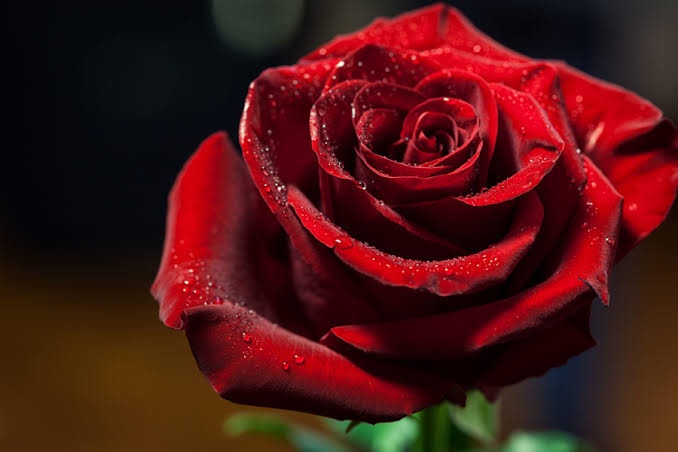
One of the main flower notes used in perfumery, rose is, shockingly, also one of the more expensive perfume ingredients. “Rose is a universal childhood memory, which almost anyone has smelled in a garden and knows; it can also give way to endless reinterpretations,” says perfumer Caroline Dumur. “Rose has a unique signature, which immediately brings uniqueness into a fragrance: its presence just can’t be faked.”
Sandalwood
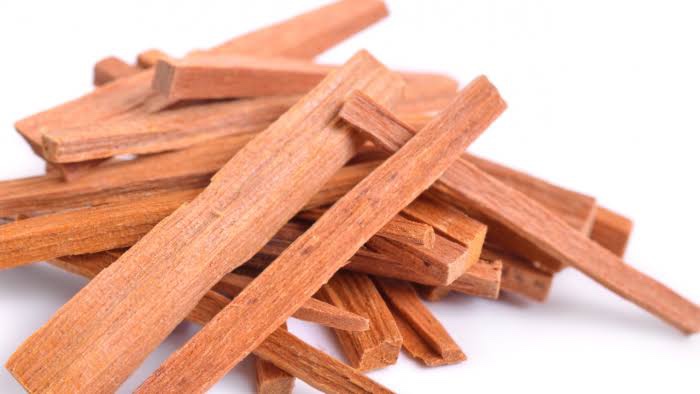
An oil from the Indian sandal tree, sandalwood is one of the oldest known perfumery ingredients, that is commonly used as a base note. “Sandalwood is an extraordinary wood with a deliciously creamy, milky scent, almost buttery, with the strength of a vertical and dense wood,” says Michalon-Bertier. “It brings extra-soul to perfumes, with the sensuous tonalities of sun-kissed skin.
Tonka Bean
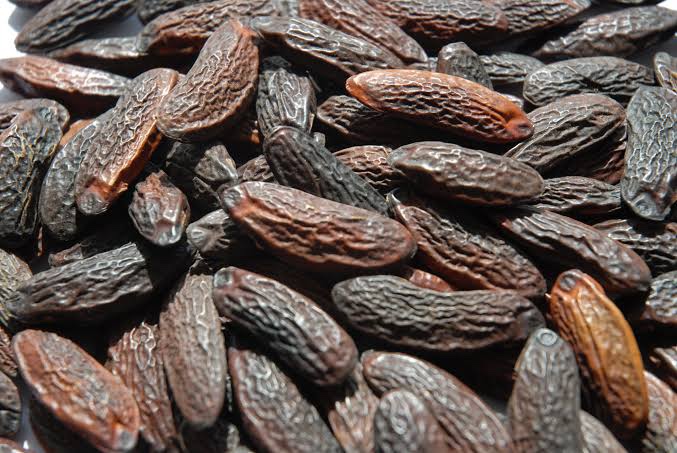
Derived from a plant native to Brazil, tonka bean has an aroma of vanilla, but with strong hints of cinnamon, cloves, and almonds. Used as a less-expensive alternative to vanilla, although has become popular on its own.
Tuberose
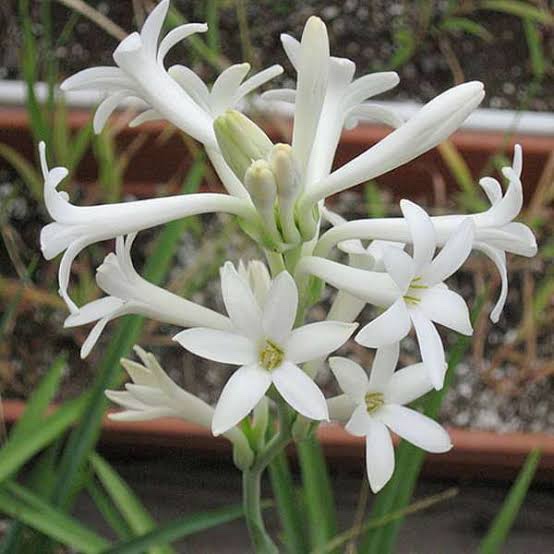
Tuberose is a plant with highly perfumed white flowers, resembling those of a lily. “In the Aztec language, it’s called ‘the flower made of little bones,'” says perfumer Rodrigo Flores-Roux. “There’s no household in Mexico where tuberose sprigs aren’t set up in vases, perfuming the whole atmosphere like there’s no tomorrow.”
Vanilla
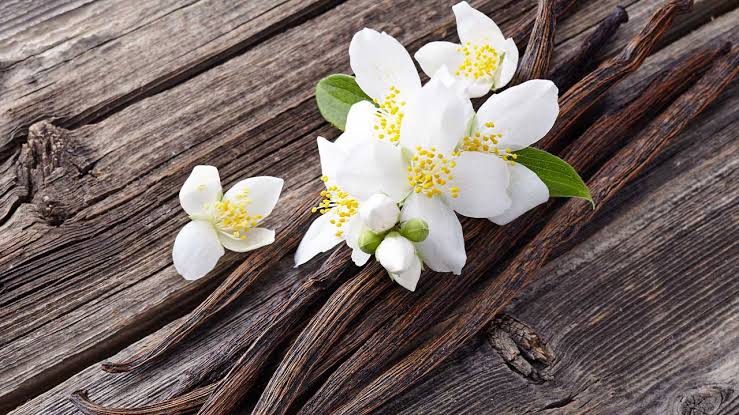
“Even though this is one of the most broadly loved notes around the world, few people know that it actually comes from the seed pod of an orchid,” says perfumer Stephen Nilsen. “These vanilla ‘beans’ are aged and then extracted to make an infusion or an absolute which is used in flavors and fragrances to impart its unique creamy sweetness. Synthetic sources of the molecule vanillin that characterizes vanilla have allowed us to add this delicious and additive note to fragrances across a broad variety of applications.”
Vetiver
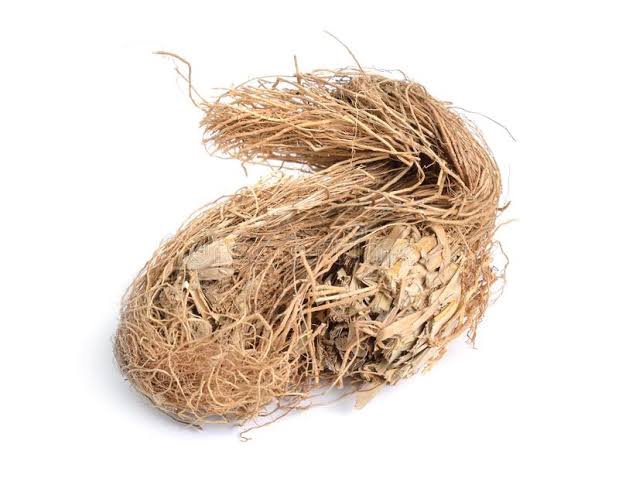
A grass with heavy, fibrous roots, which are used to distill an oil that smells of the moist earth with woody, earthy, leather, and smoky undertones. A highly important ingredient in perfumes. “Vetiver is proof that upcycling can give amazing products,” says perfumer Claire Liegent. “It is woody and very vibrant as I love, with a mystical smoky side and a lot of strength bringing character and complexity to a perfume.”


