
Corsets, historically rooted in the 16th century, originated as undergarments designed to shape and support the torso. Initially embraced for their functional role in achieving an idealized silhouette, corsets were worn by both men and women. Over time, they evolved from rigid structures to more flexible designs, eventually becoming synonymous with women’s fashion in the 19th century. In the modern era, corsets have undergone a transformative journey, transitioning from everyday wear to occasional fashion statements. Today, corsetry continues to weave its way into contemporary style, blending tradition with innovative design.
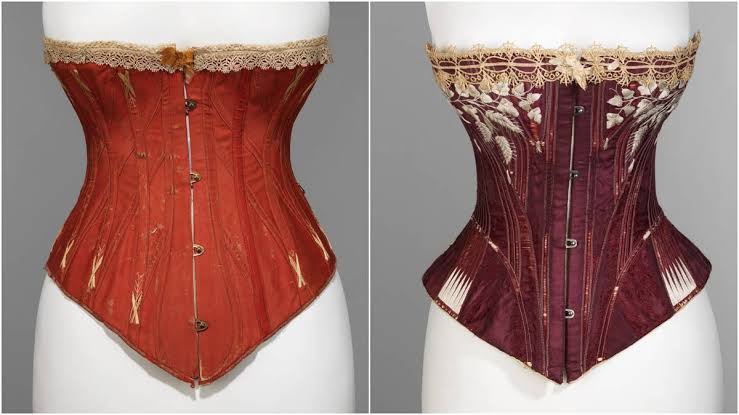
Making a corset is trickier than regular sewing because it’s all about getting the details just right. You need to be super precise with measurements and know how to use boning to shape the corset properly. Unlike sewing basic stuff, making a corset requires a deep understanding of how the body works and how fabrics behave. Plus, you’ve got to deal with things like busks, grommets, and lacing, which add to the challenge. It’s basically like creating a piece of clothing that not only fits well but also looks good, and that’s why corset making is considered more advanced than regular sewing.
Tips for making a perfect Corset
Professional fashion designers use several tricks to achieve the perfect corset fit:
- Precision Measurements: They take accurate measurements to tailor the corset to the individual’s body, ensuring a snug yet comfortable fit.
- Mock-ups or Rough work: Creating a prototype or mock-up allows designers to test the pattern before using the final fabric, helping them refine the fit and make necessary adjustments.
- Strategic Boning: Designers strategically place boning to provide structure and support where needed, ensuring the corset maintains its shape while remaining comfortable.
- Customization: Tailoring the corset to the wearer’s body shape, considering factors like waist reduction and bust support, helps achieve a personalized fit.
- Fabric Selection: Choosing the right fabric is crucial. Professionals opt for materials that offer both flexibility and strength, allowing the corset to mold to the body without losing its shape.
- Busk and Lacing Techniques: Skillful incorporation of busks (front closures) and lacing techniques ensures easy wear and adjustment while maintaining the desired silhouette.
- Attention to Detail: Professionals pay close attention to small details, such as seam placement, to enhance the overall fit and appearance of the corset.
By combining these tricks, fashion designers can create corsets that not only look stunning but also provide a comfortable and tailored fit for the wearer.
Types of Corsets
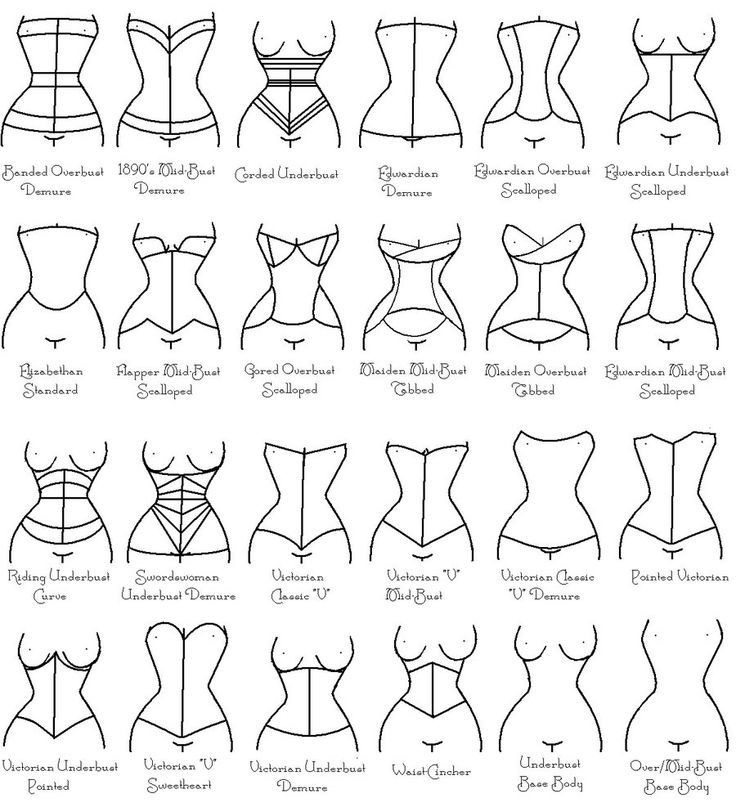
Common types of corsets include:
- Overbust Corset: Extends over the bust, offering support and shaping for the entire torso.
- Underbust Corset: Covers the area under the bust, providing waist shaping without including the chest.
- Waist Training Corset: Specifically designed for waist reduction, these corsets are often made with sturdy materials to reshape the waistline over time.
- Victorian Corset: Inspired by 19th-century fashion, these corsets typically have a longer length and a more intricate design.
- Modern Fashion Corset: Focuses on style and versatility, often worn as outerwear or as a fashion statement rather than a traditional undergarment.
- Longline Corset: Extends down the hips, offering additional shaping for the lower torso.
- Merry Widow Corset: Combines a corset with a bustier, featuring cups for bust support.
- Ribbon Corset: Uses ribbons for lacing instead of traditional cord, creating a decorative and adjustable closure.
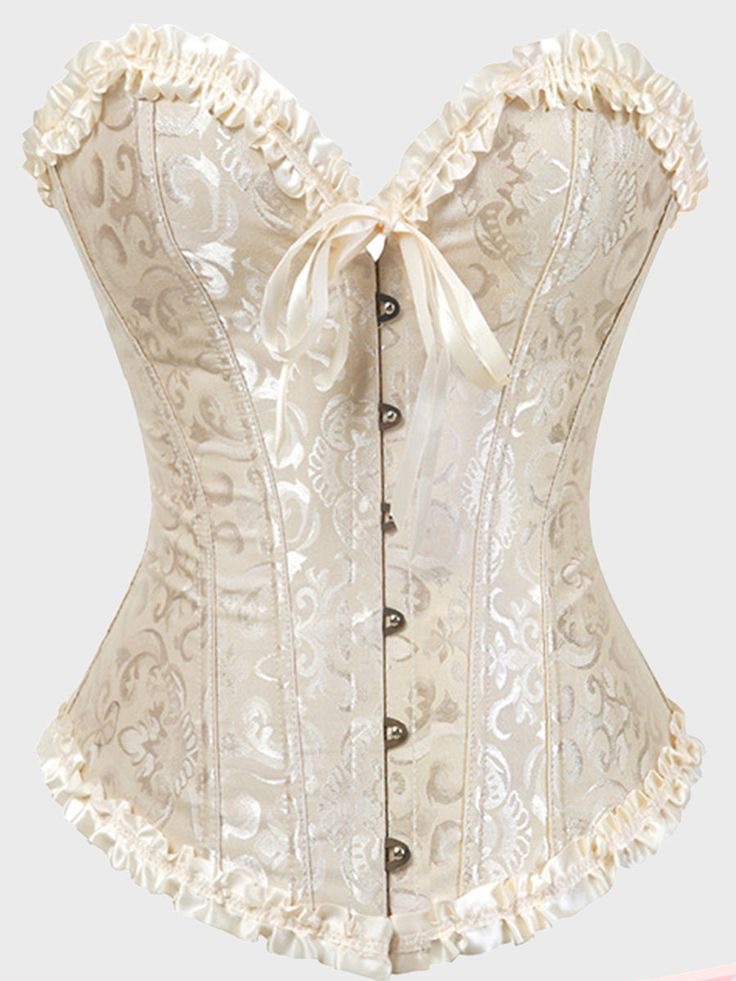
These types cater to various preferences and fashion trends, allowing wearers to choose a corset style that suits their needs and aesthetic preferences.
Nigerian Women and Corsets
In 2023, corsets have emerged as the focal point of style in Nigerian parties and Asoebi fashion. The trend is marked by a fusion of traditional and contemporary elements, reflecting a dynamic cultural shift in fashion preferences.
- Modern Elegance: Corsets are embraced for their ability to seamlessly blend modern elegance with traditional Nigerian attire. Women often incorporate intricately designed corsets into their Asoebi ensembles, adding a touch of sophistication to celebratory events.
- Versatility in Styling: Corsets offer versatility in styling, allowing individuals to experiment with different looks. Whether paired with a flowing skirt or traditional wrapper, the corset becomes a statement piece that accentuates the wearer’s silhouette.
- Cultural Fusion: The integration of corsets into Asoebi fashion represents a cultural fusion, symbolizing a harmonious blend of heritage and contemporary style. This trend showcases a celebration of identity and individual expression within the context of Nigerian festivities.
- Celebrity Influence: Influencers and celebrities play a significant role in popularizing corsets at social events. Their endorsement of corset styles contributes to the widespread adoption of this trend, turning it into a fashion staple for special occasions.
- Empowerment and Confidence: Wearing corsets is seen as a form of self-expression, empowering individuals to embrace their bodies confidently. The corset trend goes beyond aesthetics, promoting a sense of self-assurance and pride in one’s appearance during celebratory gatherings.
- Craftsmanship and Customization: The craftsmanship and customization of corsets cater to the desire for unique, tailor-made pieces. Individuals often opt for corsets that showcase intricate details, embroidery, or beadwork, adding a personalized touch to their party attire.
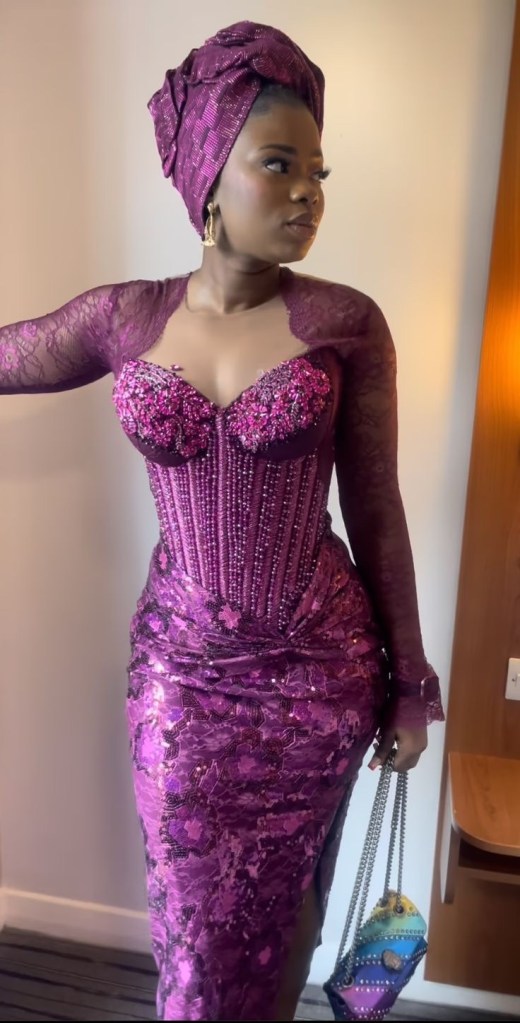
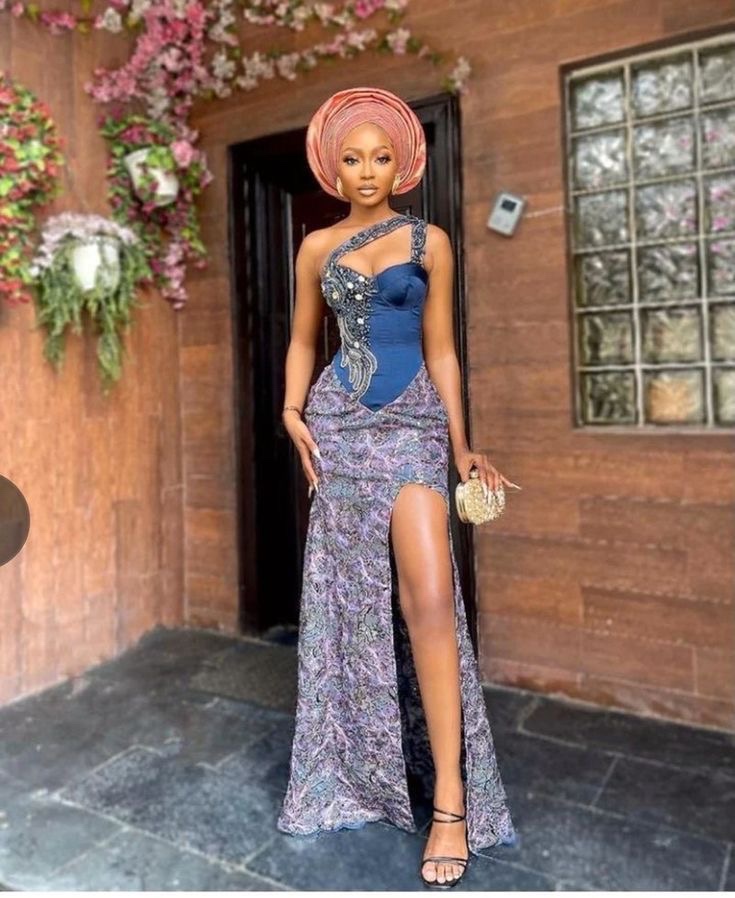
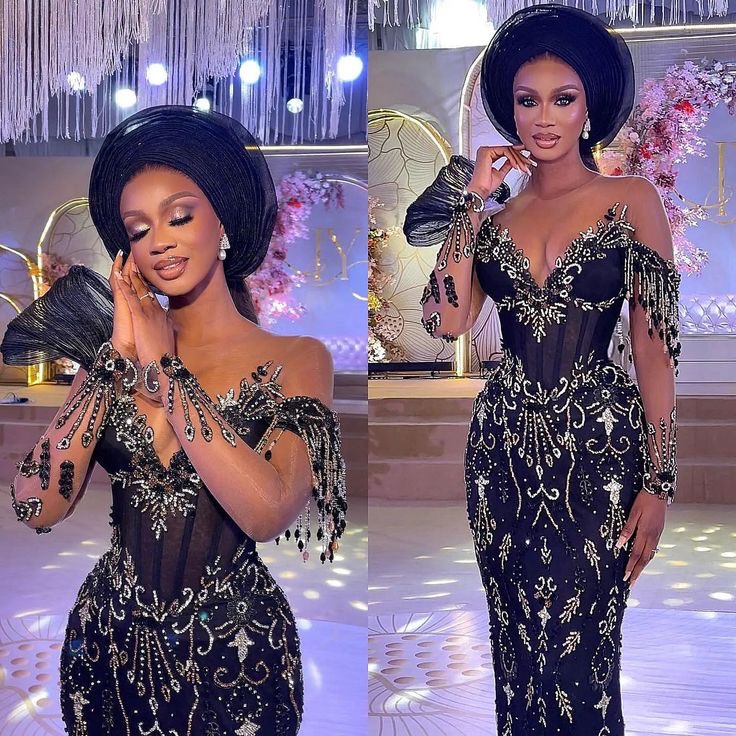
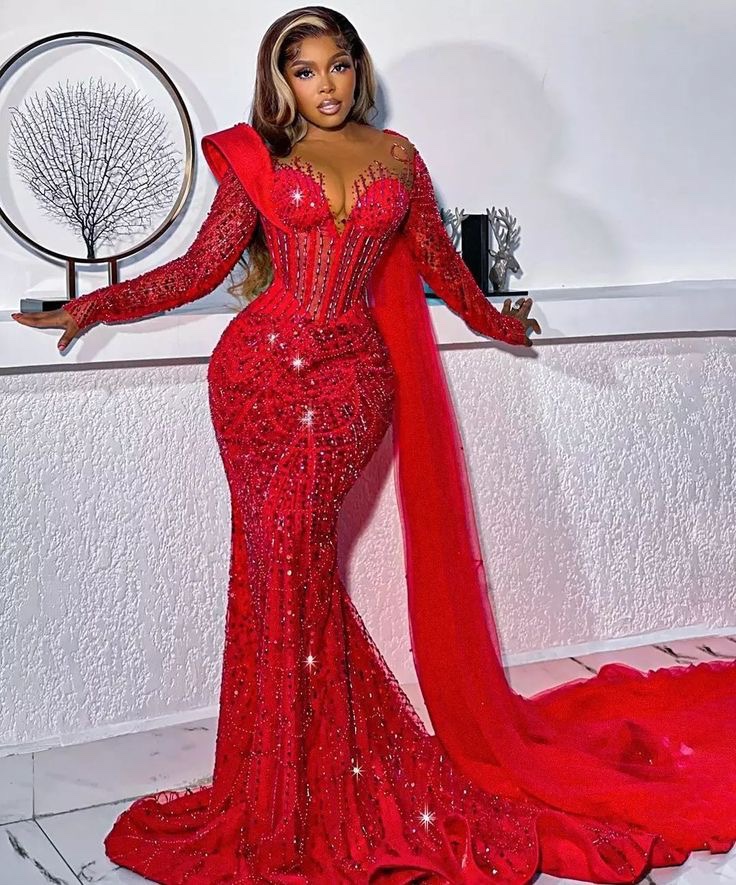
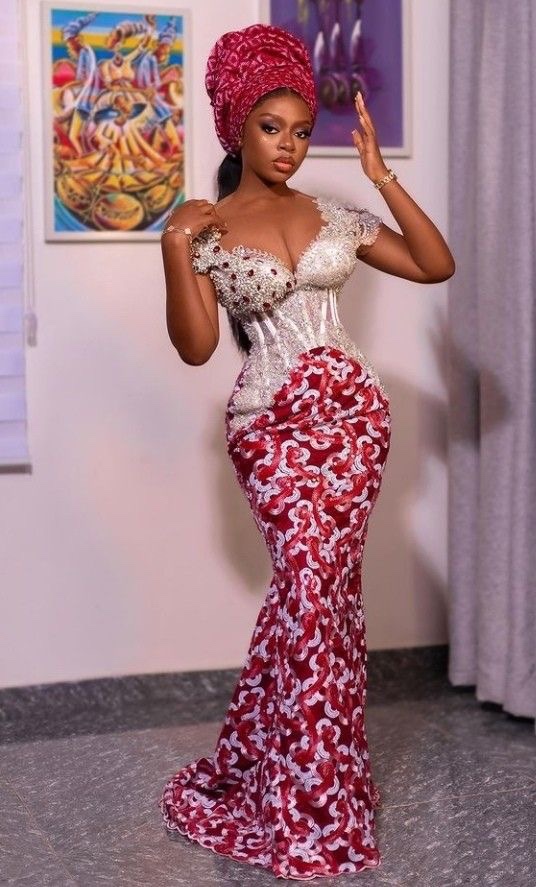
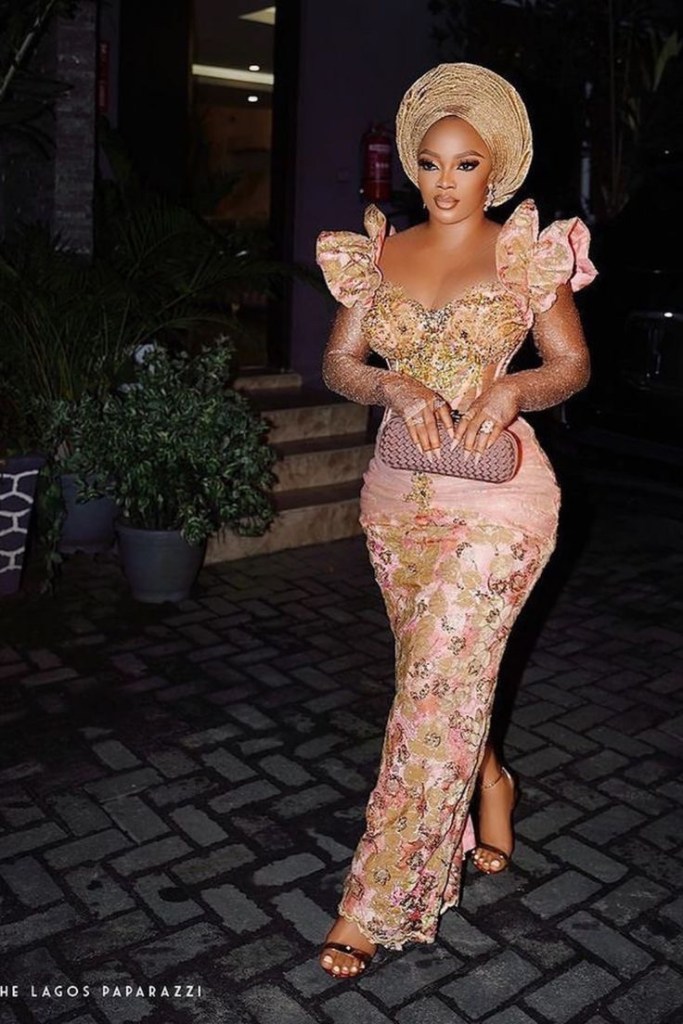
In summary, the rise of corsets in Nigerian parties and Asoebi fashion in 2023 is a testament to the dynamic nature of style, blending tradition with contemporary flair. This trend not only enhances the visual appeal of celebratory events but also reflects a cultural evolution in fashion preferences, where corsets have become integral to expressing individual identity and celebrating Nigerian heritage.

 Planet Zaiy