I often say that, with a needle and tread you can mend the world one stitch at a time. However, what good is mending the world if you don’t know the type of stitches available and how they can be executed? Stitches are made either by hand or with a sewing machine. Although some types of stitches can be made both ways, others are limited to either being made by a machine or with a hand needle.
Here are five commonly used stitches in sewing, how they are executed, their properties and uses.
Straight Stitch
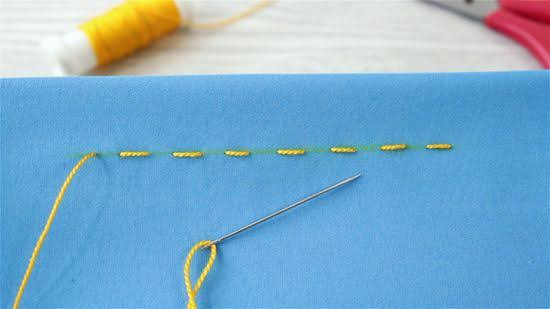
As the name implies, this type of stitch is straight. It is also called “ running stitch”. It moves from point A to B. The needle passes through the fabric and comes out on the other side of the fabric and out again. With this straight stitch, you get to see a little bit of space between each stitch. A straight stitch is primarily used to join two pieces of fabric together.
Gathers Stitch
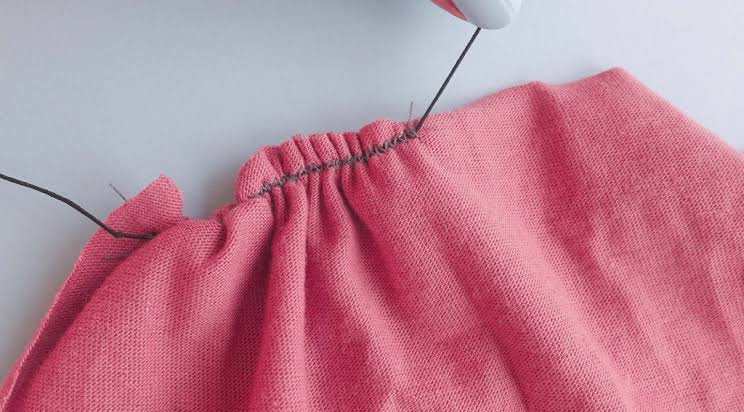
Gathers stitch is a loose kind of straight stitch that doesn’t start with a backstitch. This type of stitch is the first step in achieving the intended goal. After the gathers stitch has been made without backstitching the ends, it is then pulled to form a gathering effect of the pieces of fabric thereby creating frills. The frills created can be used to create different effects in your garment or sewing projects. Your imagination is always the guide.
Gathers stitches may also be made in zigzag, curved and square pattern stitches to give different effects.
There are also customizes foot used for making this type of stitch.
Back Stitch
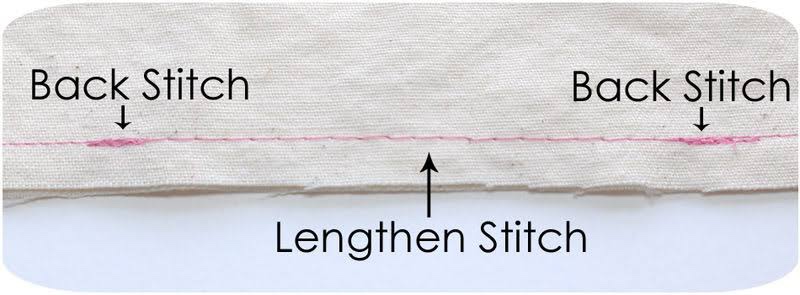
This type of stitch is used in starting or ending other types of stitches. With a back stitch in place, your straight stitch won’t loosen or unravel. To make a backstitch on a sewing machine, you use the backstitch button or pedal. For hand stitches, you can sew backwards and sew forward to lock your stitch in.
Embroidery Stitch
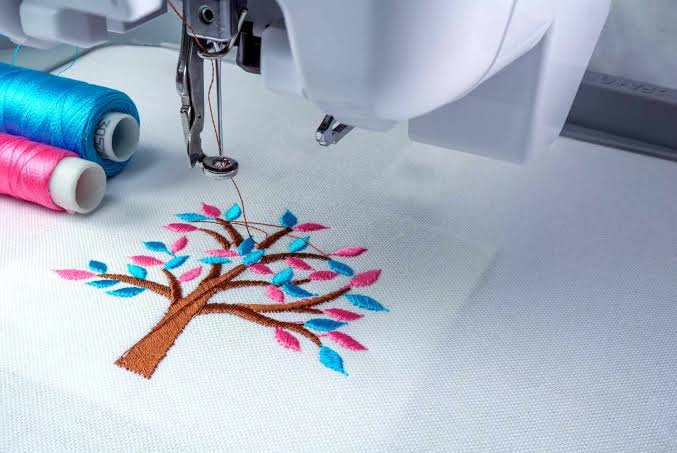
This is a decorative type of stitch. There are various kinds of embroidery stitches and the designs that can be made with them are endless as you only need your imagination to guide you. With colour play using different colours of thread, embroidery stitches make beautiful decorative patterns and shapes that you can incorporate into your garments.
Embroidery stitches can also be made with hand stitches. They come out beautifully and some people are professionals at it. Hand-stitched embroidery designs are done with tambour rings to stabilize the fabrics.
There are specific machines for making embroidery designs, buttonhole designs and other kinds of decorative stitches. However, some sewing machines make straight and embroidery stitches.
Blanket and Overlocking Stitch
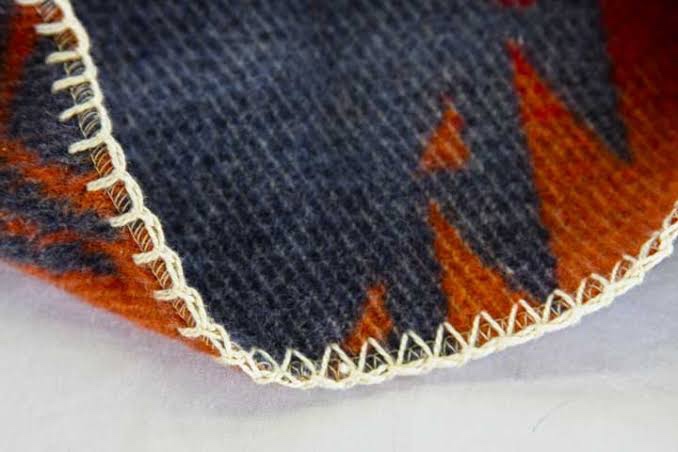
A blanket stitch is an overlocking stitch used to overlock the edge of fabrics to keep them from fraying. A blanket stitch may consist of two, three and four threads depending on the machine in use. Blanket stitches enfold and encase the fabric edges, giving it a neat and clean finish.
There are also special machines for blanket and overlock stitches but as I said before, some machines are all effective!

 Planet Zaiy