As a fashion designer and tailor, the term pattern drafting is one you’d hear and come across numerous times when bringing your designs to life. Pattern drafting is a process where the various body measurements needed to make a particular cloth are plotted on a piece of paper which is then cut out to form an essential pattern block.
Pattern drafting gives the designer a rough idea of how the main fabric should be cut beforehand. It is the blueprint of the clothes. It is the opposite of free-hand where the designer simply uses their hand to draw lines and curves on the actual fabric before cutting it out. Pattern drafting is more detailed, intricate and carefully plotted work with straighter lines and curvier curves. Many reasons exist for pattern drafting, some of which are;
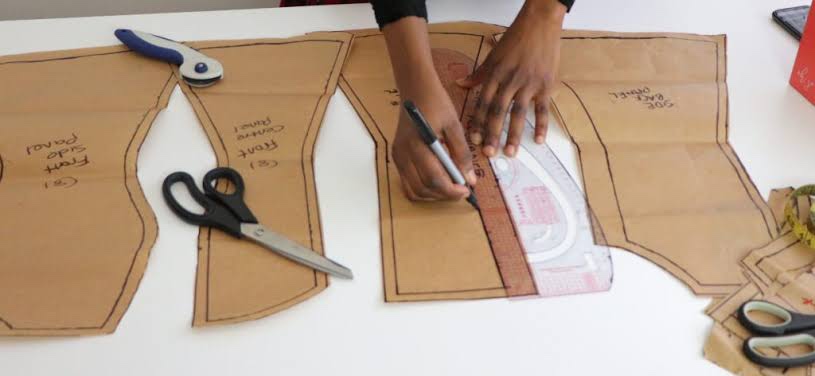
- Elimination of mistakes when cutting the actual fabric. Any mistakes would be detected on the paper before transferring it to the fabric. Beginners in sewing find this an advantage as they tend to eliminate common mistakes when cutting their fabrics.
- It makes cutting the fabric faster and easier. After accurate pattern drafting, all you need to do is place the paper on the fabric, trace it out and then cut it. This is very helpful especially when sewing bulk clothes as it saves time. You simply have to place paper on fabric, cut and sew. Pattern drafts can be made for each body size, or alterations are made by adding or reducing inches from the allowance line to tally with the size you are cutting for.
- Pattern drafting is an art as some people are professional pattern drafters and they sell their patterns for unique styles or to beginners who are new and haven’t mastered cutting clothes.
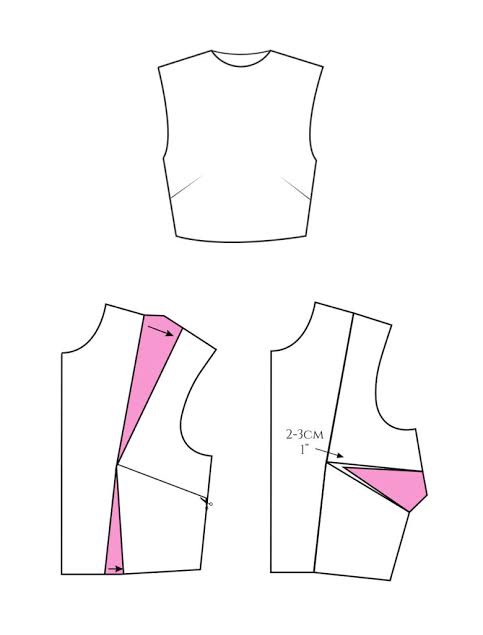
- Some designs and styles are quite complex and as such need to be drafted on pattern papers so they can be altered. An example is styles that require splash and spread methods to achieve. Patterns are necessary for some methods as you cannot go freehand with them.
- Pattern drafting saves fabric as you don’t have to cut out unwanted parts. You simply just place your paper and cut out the needed part.
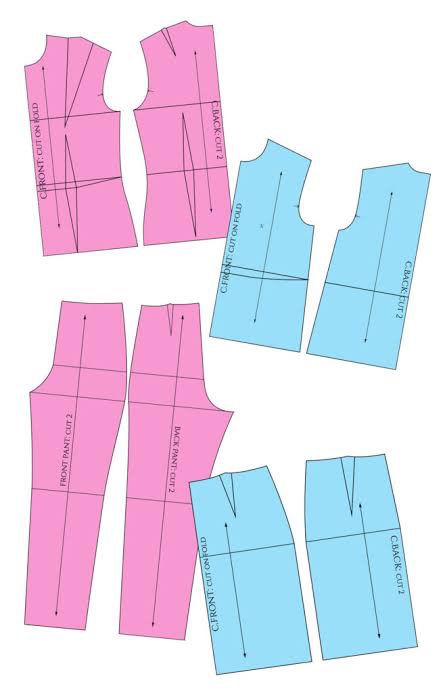
Pattern drafting can be used to create different pattern blocks like bodice front, bodice back, sleeves, skirt front, skirt back, trouser front, trouser back and even collars.
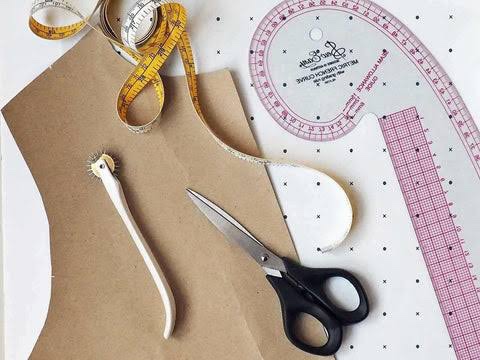
When making your pattern blocks or simply learning pattern drafting, you’d need some basic set of pattern-making tools. These tools make pattern drafting easier, neater and more precise. Some of these tools are;
- Pattern master set. This refers to a set of rulers and French curves used for pattern drafting. The ruler and curve may be different or built into one tool. They help in drawing straight lines and accurate curves.
- Measuring tape. Used to take down measurements. You can use your ruler too, but your tape is better as it has larger metrics and is more flexible.
- Hard pencil. This is used for drawing out your lines in opposition to the tailors chalk you’d use when cutting free hand.
- Marker. This works alongside your pencil. The marker helps make your lines bolder and more prominent. It’s advisable to use your marker to draw the lines you’d be cutting out with your scissors.
- Sticky tape and glue. It could either be clear tape or masking tape. It is used to hold different parts of pattern blocks together to form one piece or for holding your pattern paper to the table. Also, glue can be used in aspects of glueing two blocks permanently together.
- Pattern paper. This is the main deal, it is not just a piece of small paper, but rather a bigger sheet. It is much lighter and see-through than normal paper. It comes in different colours like light brown, white and light pink.
- Tracing wheel. This is a small object that has a handle and a wheel with spikes. It can be used in place of a pencil or marker to draw small dotted lines on the pattern paper.
When drafting your pattern, you have to label it appropriately so you can understand the different lines on your paper. These labels also help to avoid errors when cutting it out on your fabric. Also when you buy an already-made pattern block, you are bound to find some of these labels and abbreviations for easy understanding.
- SL: shoulder line
- CL: chest line
- BP: bust point
- UB: under-bust line
- WL: waist line
- AH: armhole
- HL: hip line or could be hemline
- FL: full length
- KL: knee length
- ALL or SA: seam allowance (for sewing the cloth or altering the pattern size).

 Planet Zaiy