In dress making and sewing, the very first step is to pattern out the measurements of the cloth you intend to make on a pattern paper or fabric. The measurements are then highlighted with a marker, chalk or fabric pen and then it is cut out. There are some measurement numbers either inches or centimeters that are often very similar, especially within a particular group or gender. This grouping could be children or adult (male or female).
In this article, I will highlight some basic reoccurring standard measurements in adult female clothings. Nothing is ever black or white as there are usually shades of ash in between, and so it goes with these measurements. Even whilst saying “standard measurements”, there might be a little bit of range. This is because all bodies and shapes are different. However with experience on the job and with time harnessing the skill, you become quite familiar with these slight alterations in size.
Some reoccurring measurements;
(All measurements are written in inches. Convert to centimeters if that’s your preferred choice of readings)
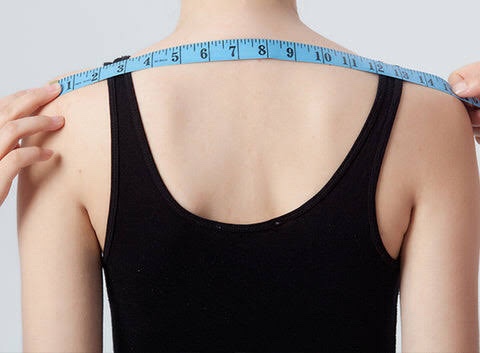
Shoulders; This is the width of the shoulder from one end to the other. This is usually 16 inches. For smaller sizes, 14-15inches might work, and for bigger sizes 17 inches, but most times, most shoulders width would average 16 inches.
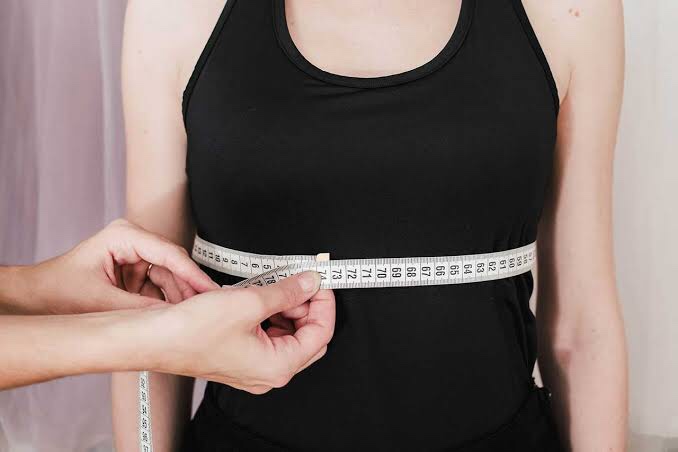
Under bust; Popularly abbreviated as UB, the under bust is the measurements of the circumference directly under your breasts. This formula is usually tricky. It can be deducted in two ways.
- Using your waist measurement or
- Adding or subtracting 1 inch from the bust measurement.
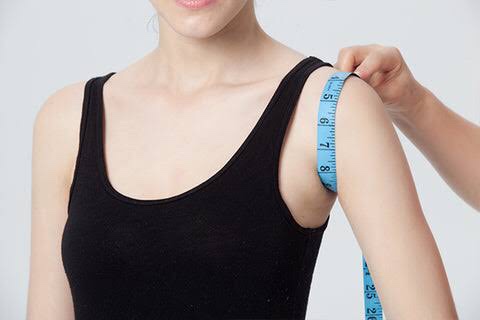
Shoulder to Elbow; This is self explanatory. The length for an adult is usually 12-14 inches. You can settle with the median, 13 inches.
Half Cut; This is the length from your shoulder to your waist. This measurement is one of the commonly used ones especially for dresses and jumpsuits that have seams at the waistline. It usually measures between 15-17 inches. Personally I usually use the median, 16 inches.
Armhole; The space depth you cut out that your arm goes through in the bodice of a cloth is the armhole. The formula for calculating the armhole is Bust\6 + 1.5 inches. For example, if the bust size you are working with is 36 inches, your armhole will be 36/6 = 6 + 1.5 = 7.5 inches for the depth of armhole from the shoulder to the chest point.
Crotch Depth; This is an important measurement when making trousers, palazzos and shorts. It is the length from your waist down to your vagina. For this, I use a formula of Waist/4 + 1 inches. For reference, if your hips is 40 inches, your crotch depth would be 40/4= 10 + 1= 11 inches. Your takings on this measurement will however depend on how tight and fitted you want your pant bottoms. For a more free pants, you can choose to add 3-4 inches to your ideal crotch depth.
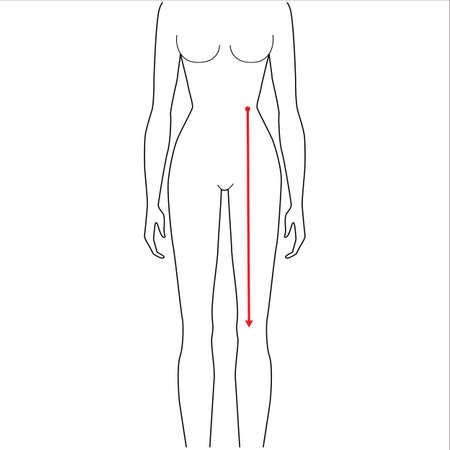
Waist to Knee; For accuracy and good fitting, this measurement stops at the top of the knee and not beneath it. This standard measurement has huge variations because it is largely dependent on the height of the client. However an average should be between 19-21 inches with 20 inches as the median. For taller clients, you can use averages of 20-24 inches as their femurs might be longer.
Knee Circumference; This is the measurement around the knees. The knee circumference is usually within the range of 15-17 inches with 16 inches as the median. This might also go up a few inches depending on the size of the client.
Please note that to get well fitted accurately made clothes, it is better to take full measurements of your clients when you are measuring them as bodies and silhouettes differs. These standard measurements are for cases where there are omissions or only when basic measurements are available to work with, like from a sizing chart with just bust, waist and hips.

 Planet Zaiy